This week World Kid Lit contributor Ayo Oyeku talks to the Editorial Director of NorthSouth Books, Alisha Niehaus Berger to find out more about the history of the publisher and their current activities and interests.
By Ayo Oyeku
Ayo Oyeku (AO): NorthSouth Books has a storied history, starting as NordSüd Verlag in Switzerland in 1961 and becoming a significant player in the US children’s market with iconic and award-winning titles. Can you share more about this journey?
Alisha Niehaus Berger (ANB): Our founders, Dmitrije and Brigitte Sidjanski, wanted to form a creator-centric publisher. Dmitrije was an artist himself, and he thought that editors made too many changes to his books! So he and Brigitte founded NordSüd in 1961 with just one title, which he wrote under his stage name: The Clown Said No. Based on Dmitrije’s creative experiences, this clown, of course, says no to the ringmaster’s demands in order to be true to his own artistic vision.
Dmitrije was an immigrant from the former Yugoslavia and the two wanted to publish multicultural books by international creators. They called their publishing house NordSüd (NorthSouth), because they wanted to bring together talent from both hemispheres. And they succeeded, smashingly: from the beginning, they published international creators such as Max Velthuijs, Binette Schroeder, David McKee, and Bernadette Watts. Later, artists such as Marcus Pfister and Hans de Beer joined the team.
At one time, the company had offices in the U.S., Japan, France, Holland, Italy, and England. Our backlist is quite a tapestry of talent from various countries and we have offices in Switzerland where we serve the German-language market, and in the U.S., where we publish in both English and Spanish. We aim to publish original picture books in all three imprints simultaneously.

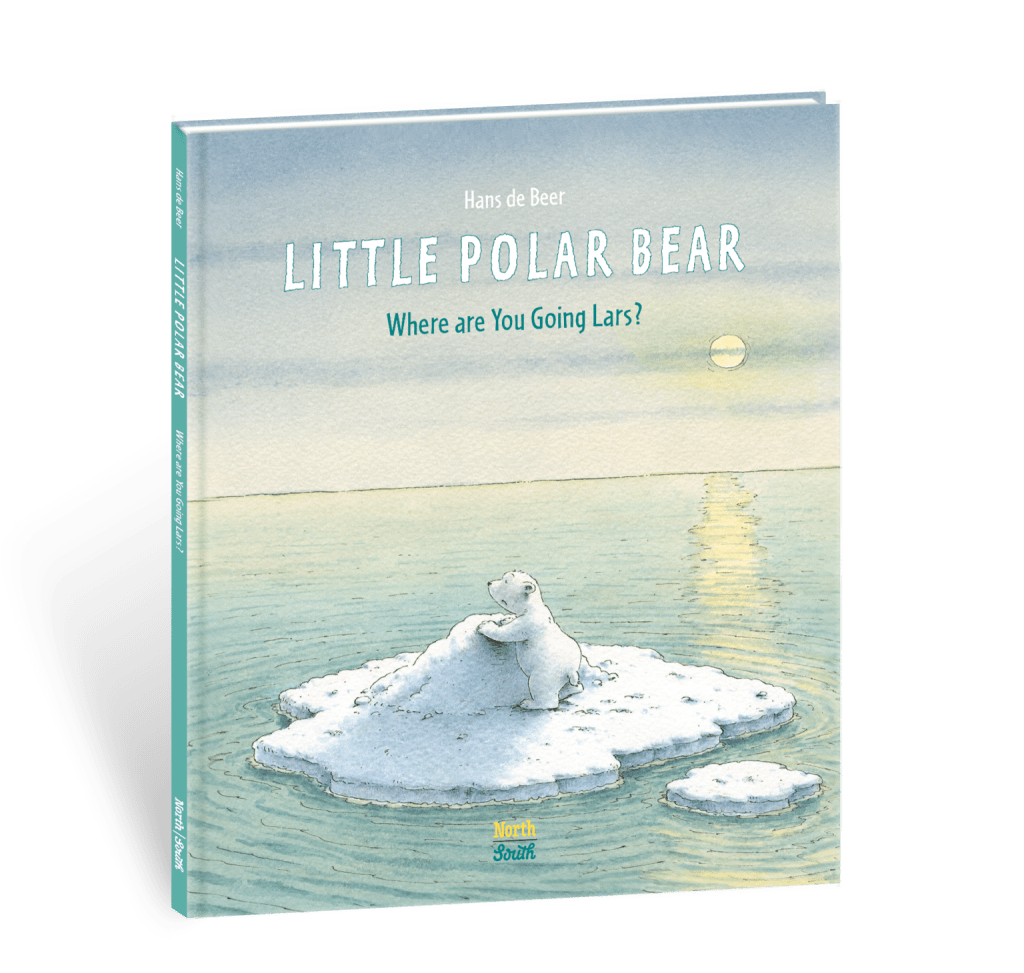
AO: NorthSouth is renowned for publishing high-quality picture books, many translated from German and other languages, with titles like Little Polar Bear and The Rainbow Fish translated into dozens of languages. What specific qualities do you look for in a picture book manuscript?
ANB: This is the challenge, isn’t it? Our editorial meetings are often full of manuscripts that one or the other imprint loves, but the others have entirely different feelings based on their own backgrounds and the tastes in their markets. What I love in these conversations is the respect we all have for each other’s viewpoints, and our common passion for the crazy difficult mission to find universal commonalities—while also celebrating what is culturally unique to the audiences, creators, and children we serve.
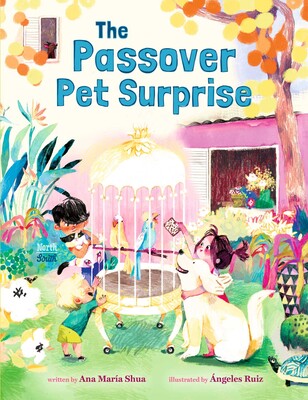
For instance, Europeans tend to have a wider visual vocabulary: Their markets support what Americans would call artsy, avant-garde, or, ahem, “difficult.” American creators want to celebrate diversity, to share stories with very specific cultural themes. A very cool book that bridges the three imprints will be published here in spring 2026: The Passover Pet Surprise/La gran sopresa de Pesaj, about a Jewish family from Miami celebrating Passover with family in Argentina.
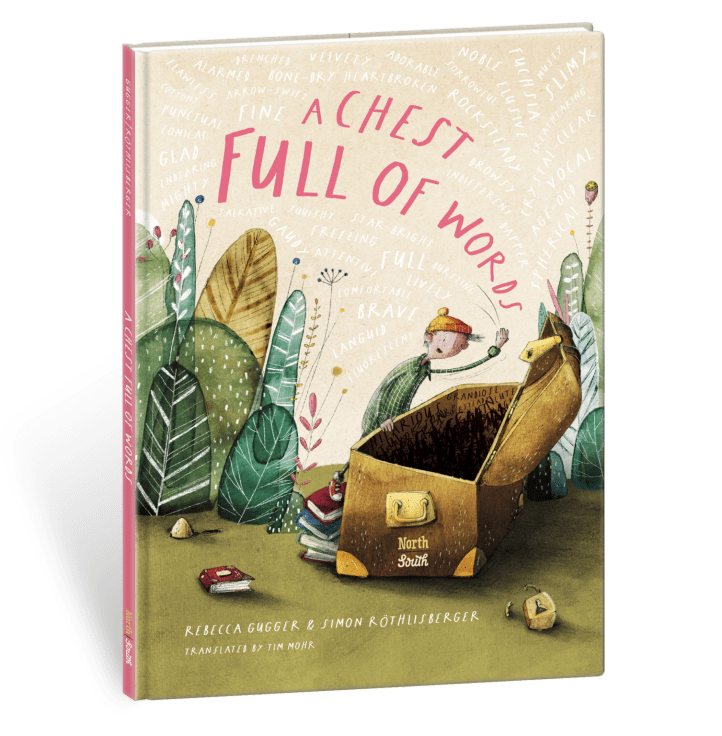
Our latest bestseller is Rebecca Gugger and Simon Röthlisberger’s Der Wortschatz in German, A Chest Full of Words in English (translated by Tim Mohr). It celebrates the specifics of word-building in German, where many words can be smushed together like building blocks—the literal word for vocabulary is “word treasure” (Wort + Schatz).
The wonderful German Bärenstark (“bear strong”), translates literally to the phrase “strong as a bear” in English. But to fit with the book’s style of one-word adjectives, we used “stark-naked” to describe another image of a bare chicken on the page, while calling the “bear-strong” bird carrying a bear in a hammock “mighty.” We added some English favorites like “topsy-turvy” and “itty-bitty,” and created some new ones like “forest-floor-squishy” (Waldbodenweich). To our delight, we have sold 13 international licenses to this book and The New York Times just reviewed the English edition—summing up the book with “Wow.” It proves that while we may not all play with languages in the same way, every language has its own word treasures.
AO: Can you tell us about how North South works with translators?
ANB: One of the things we do at NorthSouth, is support, emphasize, and highlight the role of translators. Translators are obviously crucial to bringing stories from one language and context to another, and their praises should ring from every bookshelf! Thus, you will now see NorthSouth’s translators named on the covers of all of our books, and we also build translator royalties into our payment structures. As a small house, one of our strengths in the market is our values, so we emphasize to consumers and creators that our books are cultural prisms.
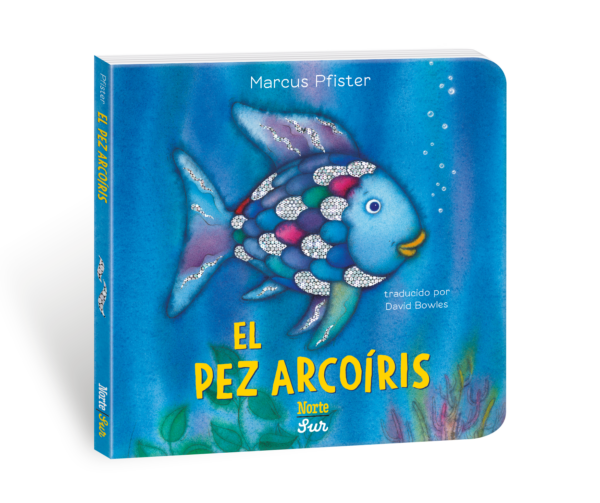
AO: NorthSouth has recently expanded its Spanish-language and bilingual English-Spanish editions. Can you tell us more about it?
ANB: I asked our senior editor and lead for Ediciones NorteSur, , , to answer this question. She says:
NorthSouth has a such strong foundation of elevating children’s books in translation. As we continue to expand our Spanish language offering beyond El pez arcoiris, it only made sense to do so with Ediciones NorteSur, a dedicated imprint that promotes and elevates Latine creators and translators with original picture book stories while also continuing in our tradition of importing books from around the globe. I think the hardest challenge we face is the lack of industry support. While we’ve seen a lot of progress being made, we have yet to see publishing really put its weight behind Spanish language and bilingual books. Despite these obstacles, we hope to see widespread change as more professionals recognize the importance of Spanish language and bilingual books for their readers.
AO: Can you walk us through how you identify and select books for translation, particularly those that might come from less-represented regions or languages? Are there specific genres or themes you’re currently seeking to expand your list?
ANB: To the extent that I have a strategy, it is to put the kids first. Will the story delight, intrigue, or challenge them, regardless of where they live and what language they speak? This is especially critical when trying to serve children from myriad backgrounds.
We already publish books from many countries, but I would love to see even wider representation on our list, and especially more everyday stories. I imagine these set in new-to-our-readership places and showcasing daily activities and interactions with family, siblings, friends. The details of another culture would be exciting for NorthSouth readers to learn, while the emotions and struggles would be universal: winning and losing at a game, making a new friend, welcoming a new sibling, a fight and reconciliation at school. Often, we focus on topics like holidays, festivals, or folktales, rather than modern, everyday life around the world.
I was lucky enough to travel to Morocco over the summer holidays. I was struck by the women in colorful djellabas, some with hijabs caught by the wind, sitting and splashing or playing volleyball in the waves. Nearby kids made sand goalposts for soccer and tourists on camels rode by. The joy was so similar to my experiences growing up by the beach, yet visually it was literally a different world. I would love to publish a book about a beach day for a Moroccan Muslim family!
AO: Given your focus on global children’s literature, are there plans for NorthSouth to acquire books from African authors or stories rooted in African cultures? How do you see this fitting into NorthSouth’s mission to publish books with international appeal and diverse perspectives?
ANB: The English-language publishing market in Nigeria is incredible, and I have seen some great middle grade and young adult books with Nigerian mythology on the U.S. market, like Nnedi Okorafor’s Akata Witch and Tomi Adeyemi’s The Children of Blood and Bone. Picture books can be harder, as most of the 2-D children’s illustration I see from the continent is either hyper-realistic or hyper-cartoony, which does not always fit in the current visual expectations of the “international” trade picture book audience. Pairing an African writer with a European or American illustrator could help bridge this visual gap, depending on the story and the reference material available.
Publishing’s greatest successes often start with exceptions to its so-called rules, so let’s focus on helping original African stories break-out. I hope NorthSouth gets to be a part of this—my inbox is wide-open to submissions from African authors, illustrators, and publishers.
AO: Looking ahead, what excites you most about NorthSouth’s future in children’s publishing? Are there new initiatives, languages, or markets you’re exploring?
ANB: I hear from so many reading promotion non-profits about the need for high-quality bilingual picture books in the U.S. A little-known fact about NorthSouth is that we also have a strong bilingual book imprint, biLibri, on the German market. One of the exciting things we are discussing right now is how to bring more English-Spanish, and hopefully English-many other language books to the U.S. market. As a parent with children fluent in a language I am still trying to learn, I love my English-German bilingual books so very, very much.
And to come full circle, I want to continue to support, promote, and celebrate the role of translators. Translation is as much about cultural adaptation as it is about vocabulary—the better a translation, the more “normal” a story—any story—will seem to a reader. And if, through language, we can make a book feel familiar to lots of different readers, then we are working towards a time where stories from more places in the world can join the storied international publishing industry and enjoy well-deserved wider distribution and higher paychecks.
Let’s make that world.
About Alisha
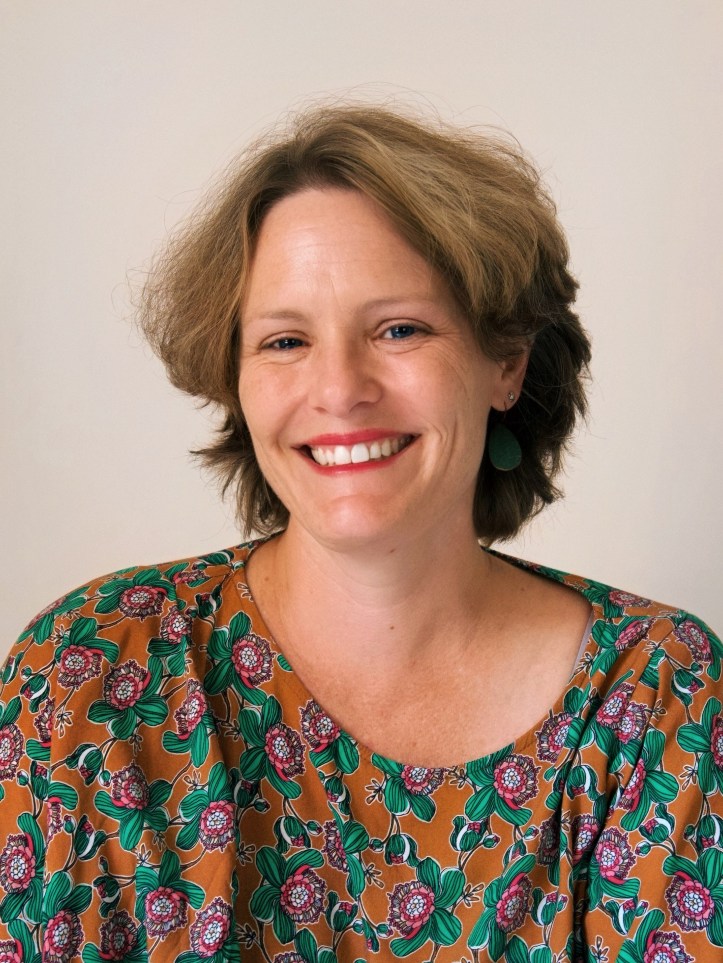
Alisha Niehaus Berger graduated from Stanford University with a BA in cultural anthropology, and started her career as an editor at big publishing houses in New York. She then spent ten years as the global publisher for the nonprofit Room to Read, helping create books in mother tongue languages in over 21 countries. A year ago, she joined NorthSouth books as editorial director, and continues to consult on international children’s book projects for the World Bank and the Gates Foundation. She lives with her family in Basel, Switzerland.

Ayo Oyeku is a Fellow of Ebedi International Writers Residency. He has authored eight children’s books, and some of his books have won notable awards, including the Association of Nigerian Authors Prize for Children’s Literature. He loves reading books to children, meeting writers, and speaking at literary panels. He is the Founder of Eleventh House Publishing.

World Kid Lit is a nonprofit that aims to bring diverse, inclusive, global literature into the hands and onto the bookshelves of young people. We rely on grants and donations to support our work. If you can, please support us at Ko-fi. Thanks!
We earn a small commission every time you buy books via the affiliate links on our site, or via our booklists at UK Bookshop.org. This is a much appreciated donation towards our work. Thank you!
 World Kid Lit