By Katy Dycus
Joukje Akveld, a Dutch children’s book author based in Simon’s Town, South Africa, writes fiction and nonfiction for children. Two of her picture books have been translated into English: Get On Your Bike and What Ollie Saw. In this conversation, we discuss these books and the ideas behind them, as well as her friendship with Dutch illustrators, advocacy work for animals in Africa, and advice for aspiring writers.
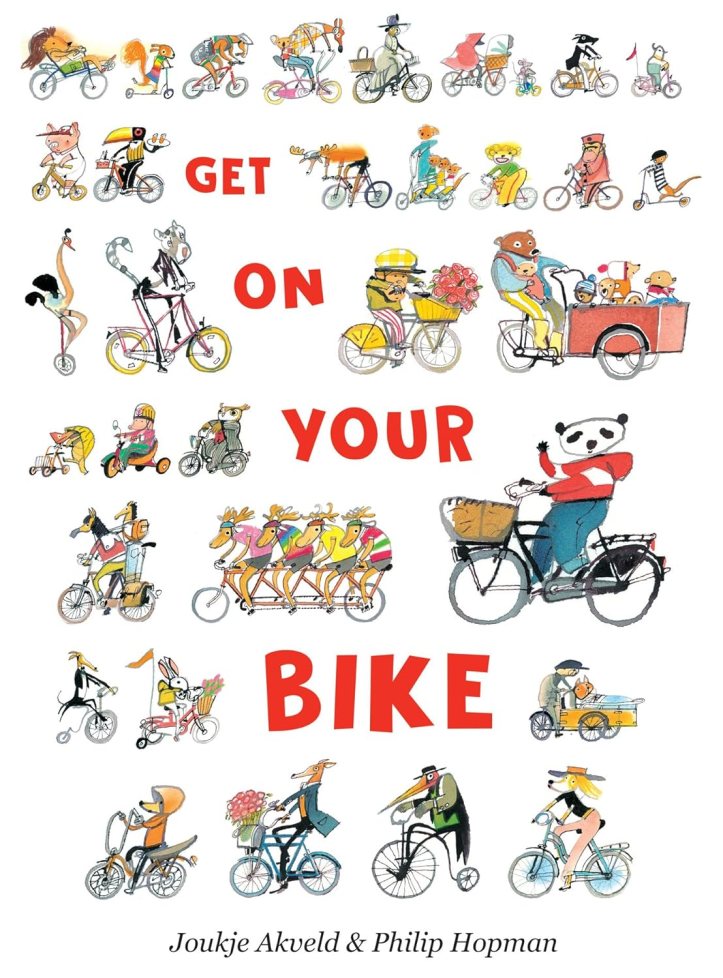
Katy Dycus: Get On Your Bike is a favorite at my house. Although animals on bikes feature in the book, the story seems to be, above all, about relationships and what we do when a relationship is in conflict. How did you conceive of the idea?
Joukje Akveld: I remember my father telling me about someone who went on a bike ride and just followed in the direction of the green lights, just as Bobby the panda does in the book after his argument with William the dog.
KD: Oh yes, you introduce that argument on the first page. William tells Bobby, “Go on! Just get on your bike and leave!”
JA: In the Netherlands, when you’re really irritated you say Ga toch fietsen (“Get on your bike”) It’s an expression. Yet in the book Bobby takes it literally.
KD: I like that your book reminds us that with some time and space and maybe a little exercise, we might just forget what it is we were arguing about. Going on a bike ride is actually a great way to handle conflict.
JA: Growing up, my parents were very happily married but, of course, they had arguments. And when you’re a very young child, you don’t understand what your parents are fighting about, but the good thing is, you also don’t understand when it stops. There is this moment when suddenly everything is ok again. I’d like to comfort children by telling them that arguments happen, but they aren’t always bad.
KD: As an adult reading your book, I find comfort in this, too. Is this book partly based on your parents then?
JA: When I first created the story, the people in the book were a Mr. and a Mrs. but then Philip Hopman, an illustrator friend who I met when I interviewed 19 Dutch artists for a book I was writing, showed Get On Your Bike to the Dutch publisher Querido and the editor asked, “Is it ok if we make the characters in the book animals instead of people?” So, we did.
Because Philip is living with a man, I thought the book won’t have a Mr. and a Mrs. Philip is going to illustrate this book. He’ll be with this for who knows how long, so let’s make it about two guys who are living together. It will be about a dog and a panda, two males. In fact, if Get On Your Bike hadn’t been about two males, I don’t know if it would have been translated in so many other countries. For example, Philip went to a bookfair in Colombia years ago for this book, and many people were totally in love with the story because it featured two males.
That’s what I like about making picture books. It’s not a solo project. Others are involved, and a story can go in different directions.
KD: I find it wonderful that you honor the illustrators of the books you write. You make it so they can see themselves in your stories.
JA: The hours illustrators put into a book is so much more than a writer, and Philip is all about the details. This man thinks in images. He includes little hidden jokes and references. If you miss them, though, it’s fine. You don’t miss out on the story.
KD: Can you share a few of those references in Get On Your Bike?
JA: When the Panda is on the boat, you see a little scene from the Titanic on the bow. On the next page, there’s a pig walking into the water, lifting her white dress up. That’s a reference to a Rembrandt painting [A Woman Bathing in a Stream]. On the page with all the cyclists going through the countryside, you have E.T. in someone’s bike basket.
KD: I absolutely did not catch all those references the first time I read the book with my son. The illustrations are super entertaining for adults in a different way than they are for kids.
JA: Yes, adding those elements is part of the fun for Philip. When you spend so many hours with yourself, you’ve got to find a way to enjoy the process.
KD: It seems like every kind of creature imaginable appears on a bike in this book. Do animals appear in all of your books?
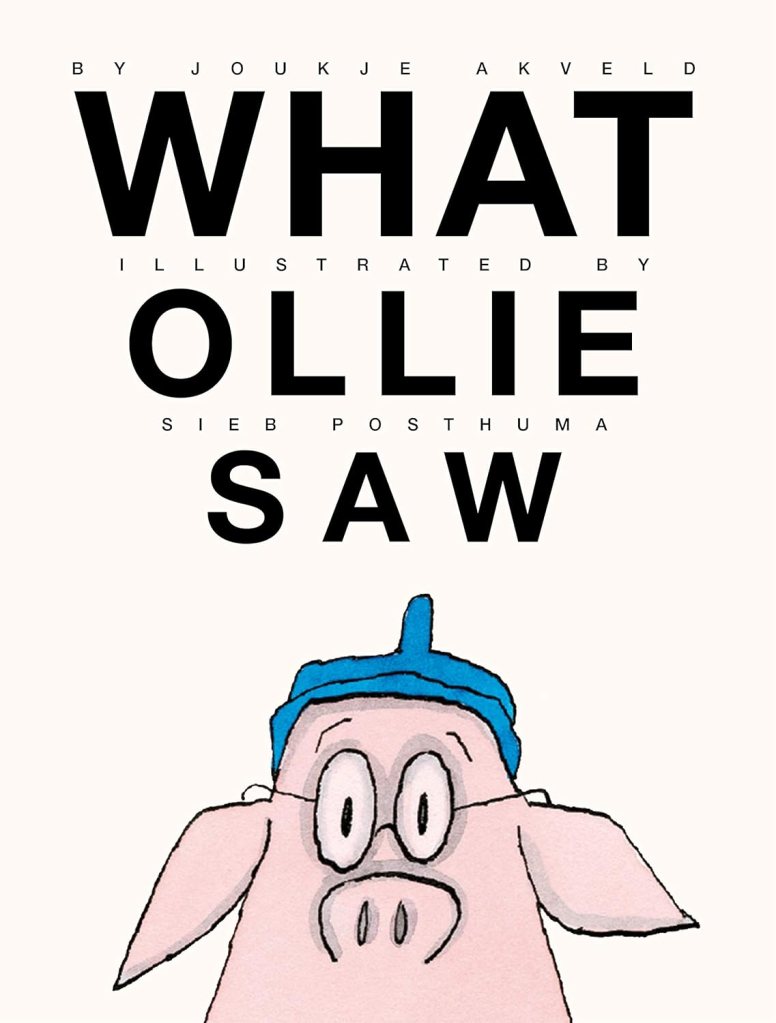
JA: In my stories, I originally see the characters as humans. For instance, What Ollie Saw started out with Ollie as a little boy. But when I sat down for lunch with the illustrator somewhere along one of the canals in Amsterdam, he asked, “What if Ollie was a pig?” I replied, “You have to draw the story, so if Ollie is a pig for you then he will be a pig. And now I can’t imagine Ollie as anything else.” A similar thing happened to another story of mine, where my main character ended up as a walrus.
I have just one book in which the characters are human. It was inspired by the pandemic. Everyone was working from home, and in Amsterdam the houses are close together with thin walls. Every day there were balcony parties and home renovations. I went completely out of my mind. I couldn’t decide when to work and when to sleep.
After that, I wrote a book about a girl living in a similar house in Amsterdam, who wants to go into her garden and read a book. First, the neighbor is talking nonstop to her dog, then someone starts renovating things, then all the neighbors on the other side of the garden are having a party with loud music. She’s totally fed up. She ends up using one of those wrecking balls that swings with a crane to destroy her building.
KD: So, she kills off all her neighbors?
JA: Yes, but remember the girl couldn’t read her book! The little bird that comments on everything in the story tells the girl she must go to jail, but, she thinks, at least she can read her book there in peace. You see, the girl is allowed to do what she did because her mother is a children’s book writer, and at the end of the book, you learn that this book you just read is actually the book her mother wrote. It’s fiction.
KD: It’s a book within a book!
JA: Exactly. When I was writing this story, I thought, how can I get rid of all my neighbors and yet still get my publisher to want to publish this ha! It gave me such relief to write this story. The book sold many copies and got reprints. It was my biggest revenge, like, at least I made some money out of this.
I realize that being angry or disappointed is, for me, one of the reasons I write. I want to get some sort of justice or something.
KD: Speaking of justice, many of your nonfiction books for children advocate for animals in Africa. Can you share more about this?
JA: One of those books was about human wildlife conflict in South Africa; the title in English might be We Were Here First. I chose 13 animals such as cheetahs, leopards, elephants, African penguins and rhinos. I looked at the problems these animals are facing. I realize it’s a tough story (it includes things like poaching). But I also thought, I do want to write this to at least give all these animals that are dying or suffering a voice. And I hope the children of the future will be better adults than the generations before them.
KD: Having lived in South Africa for several years now, which animal do you most connect with?
JA: When I moved to Simon’s Town, a place famous for its colony of African penguins, I started working as a volunteer at the rehabilitation center for sea birds. These animals are critically endangered; their numbers are dropping way too fast. These penguins were already in my book about human wildlife conflict, but I felt at a certain point that I needed to dedicate a whole book to these creatures. I am so close to them, taking care of them and getting bitten all the time. I really feel connected to these little birds. And when it comes to writing, I need to be connected to the subject, otherwise it doesn’t work.
KD: Have you worked on any other nonfiction books about animals?
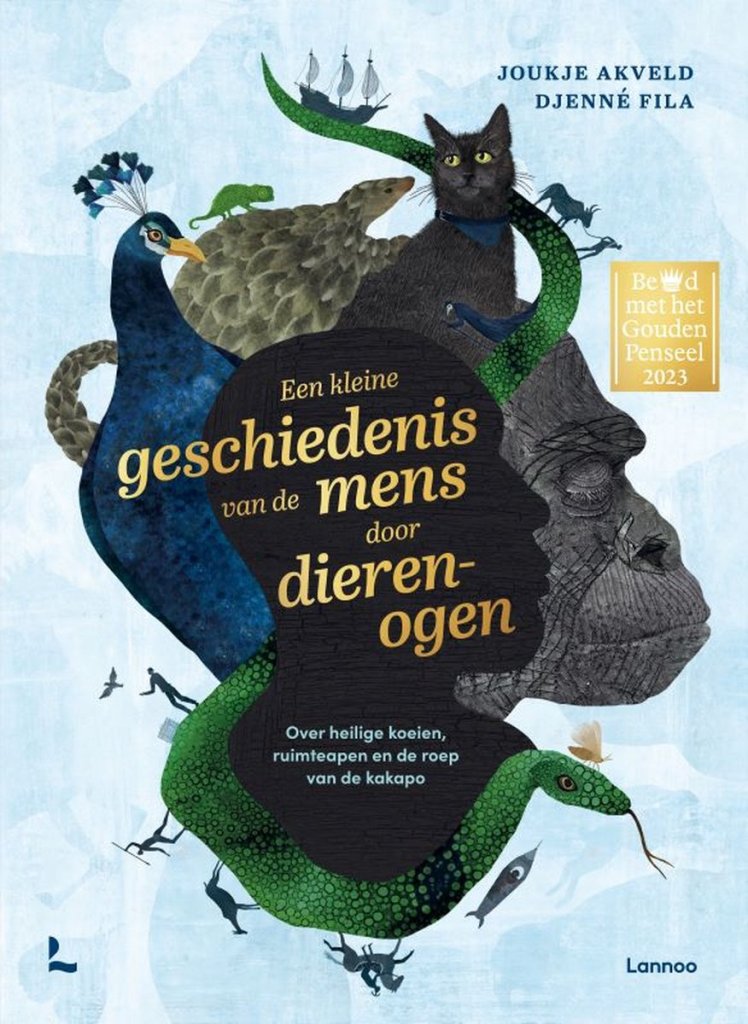
JA: A few years ago a publisher approached me with the idea to write a book about human history seen through animal eyes. I chose 29 animals from 29 different countries. Every animal has a different relationship to humans – some are dinner, some are pets. For this book, my illustrator Djenné Fila actually won the top prize in the Netherlands for children’s book illustration: het Gouden Penseel.
KD: What an honor! And what a journey: in this book you take readers from the Botswana of 200,000 years ago to present-day South Africa. Are you currently working on any other books about Africa?
JA: I journeyed through 10 countries in Africa, mostly visiting national parks. Out of these travels came a safari guidebook for children, and in future I’m hoping to write the first real African travel book for children in the Netherlands. The problem with this is I’m the main character because I was traveling by myself – so I can’t leave myself out – and there’s obviously an age gap between me and my audience. Canoeing in between crocodiles and hippos is exciting, but there’s all kinds of adult stuff going on like buying a car and being alone on the road. I still haven’t found the right form that children can relate to. That happens sometimes. You start out excited about a project, then during the process you think, my goodness this is impossible! I’ve written 30,000 words already, but it’s still not right.
KD: It’s comforting to hear that even a seasoned author like yourself gets stuck sometimes. What advice would you give to those trying to write for children?
JA: I knew all these writers and illustrators because of my work at a children’s publishing house. I thought, these people are so good, but who am I? But you have to get over that because everybody thinks that at first. You just do it and you fail, then do it again and fail better, as they say.
I recently discovered Kate DiCamillo. I read her book Ferris, which is now published in the Netherlands. I found out that she received 473 letters from publishers saying no thank you, before she ever published Because of Winn Dixie. I was like, how on earth can you stay motivated when people tell you almost 500 times that you can’t do it? It’s so inspiring that things can start out like that and yet you can find success. And what’s nice about Kate DiCamillo is that she’s both commercially successful and recognized as a very big talent.
So many people think it’s easy writing books for children, but it’s not. It’s actually really complicated. The way to get a feeling for it is to read, read, read. Writing starts with reading. From books, you can see what people do with composition, with style in opening a chapter. How does it end, how does it begin? Of course, you could learn some technical things in a creative writing course, but you can also learn them from reading. All you need is right there. You have to read it and see it, then find your own voice to tell your story your way. When you are writing, you only need yourself.
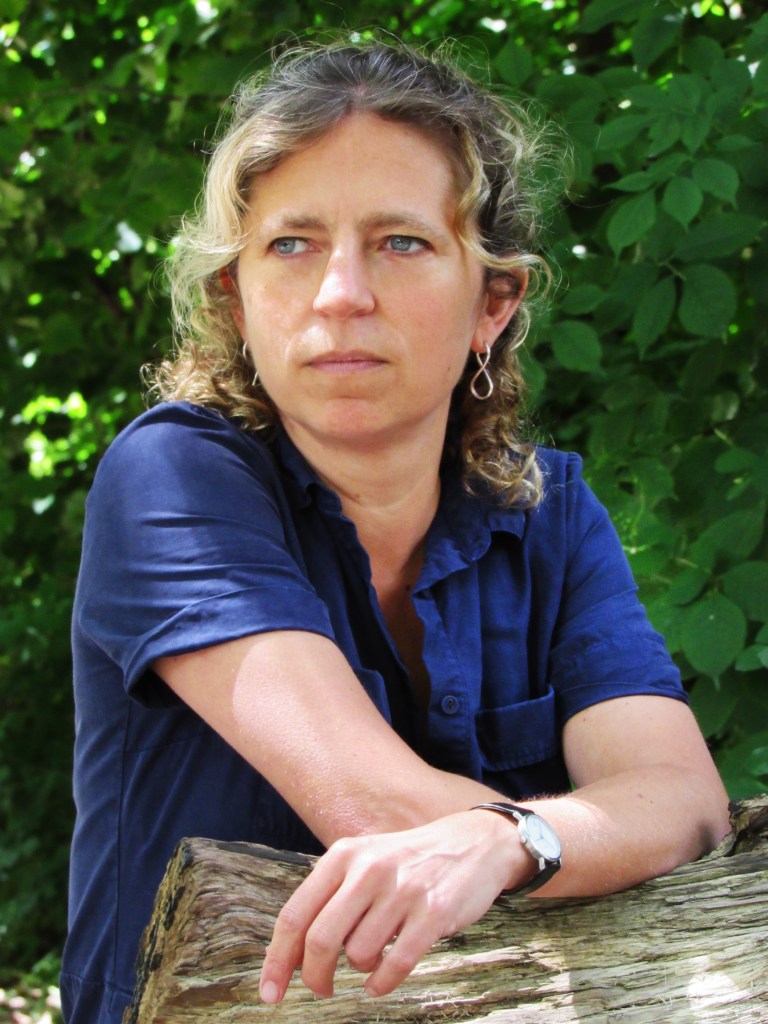
About Joukje Akveld:
Joukje Akveld is a writer, translator and journalist. She writes picture books and non-fiction for children and adults. Her work has been translated worldwide and has won two Zilveren Griffel awards (annual prize for the best children’s books in the Netherlands), three nominations for the prestigious Woutertje Pieterse Prize and two Vlag & Wimpel awards. She also translates picture books, and her writing as a journalist has regularly been featured in national publications such as Vrij Nederland, Trouw, Kidsweek and Het Parool.
Since 2017, the focus of Akveld’s work has been on Southern Africa. To create these books, she has worked together with South African photographers and with the renowned illustrator Piet Grobler.
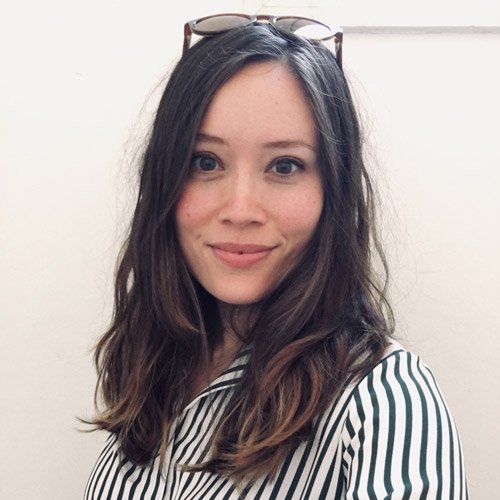
About Katy Dycus:
Katy works for an academic department of anthropology. Her essays and reviews appear in Appalachia, Necessary Fiction, Harvard Review and The Wild Detectives, among others.

World Kid Lit is a nonprofit that aims to bring diverse, inclusive, global literature into the hands and onto the bookshelves of young people. We rely on grants and donations to support our work. If you can, please support us at Ko-fi. Thanks!
We earn a small commission every time you buy books via the affiliate links on our site, or via our booklists at UK Bookshop.org. This is a much appreciated donation towards our work. Thank you!
 World Kid Lit