By Li Wang
Xiong Liang and I worked together during the Art Omi Translation Lab in September 2025, where our conversations deepened my understanding of writing, storytelling, picture books, and his work. This interview took place after the residency, and I’m glad to share his insights in the hope of inviting deeper reflection and conversation among readers.
Li Wang: Besides your art, your writing spans different genres, and across both fiction and nonfiction.
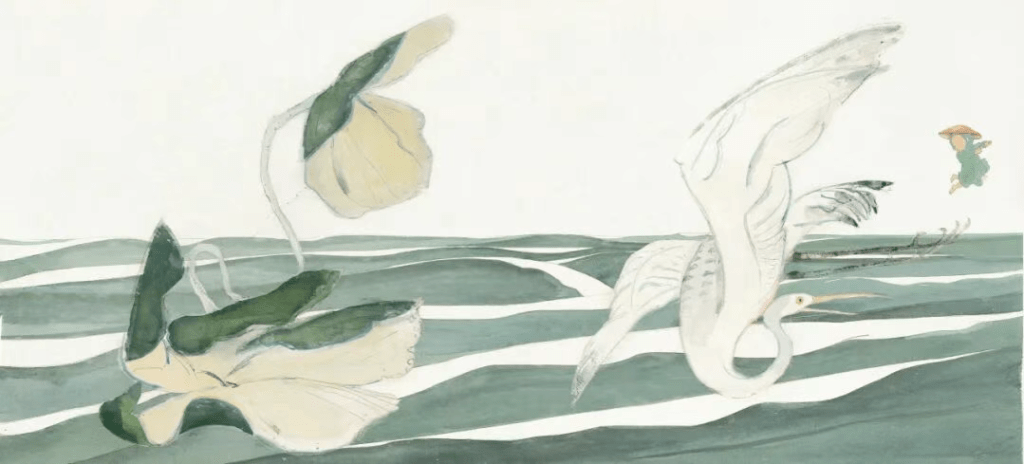
Xiong Liang: My adult writing is nonfiction, while my picture books are fiction. Nonfiction comes from experiences. Fiction, on the other hand, comes from a full understanding of the theme. It’s not based on imagination—imagination only makes the story engaging and memorable. What lies beneath a picture book is a true understanding of the theme. Then you must step into the soul of the main character at their age and retell the story from their point of view. During this process, you design many things—all sorts of possibilities. The secret of fiction is arranging all these possibilities and creating the best main character and an interesting world.
Li: You first need a deep understanding of the theme, and then you enter the character’s world.
Xiong: You move from a godlike, all-seeing view down to the character’s own limited perspective to rediscover the story.
Li: Then the character’s perspective has limits.
Xiong: He has his own abilities, and there are limits to what he can perceive from his life experience. But in your story design, things he can’t see in real life can still appear. Fictional stories can expand the space of what he is able to perceive.
Li: You can broaden the character’s view by designing settings, other characters, or plotlines.
Xiong: Yes, it’s about expanding their visual boundaries. As the character walks through the world you’ve built, they gradually see everything you’ve placed around them.
Li: Actually, in your fiction writing, many things—
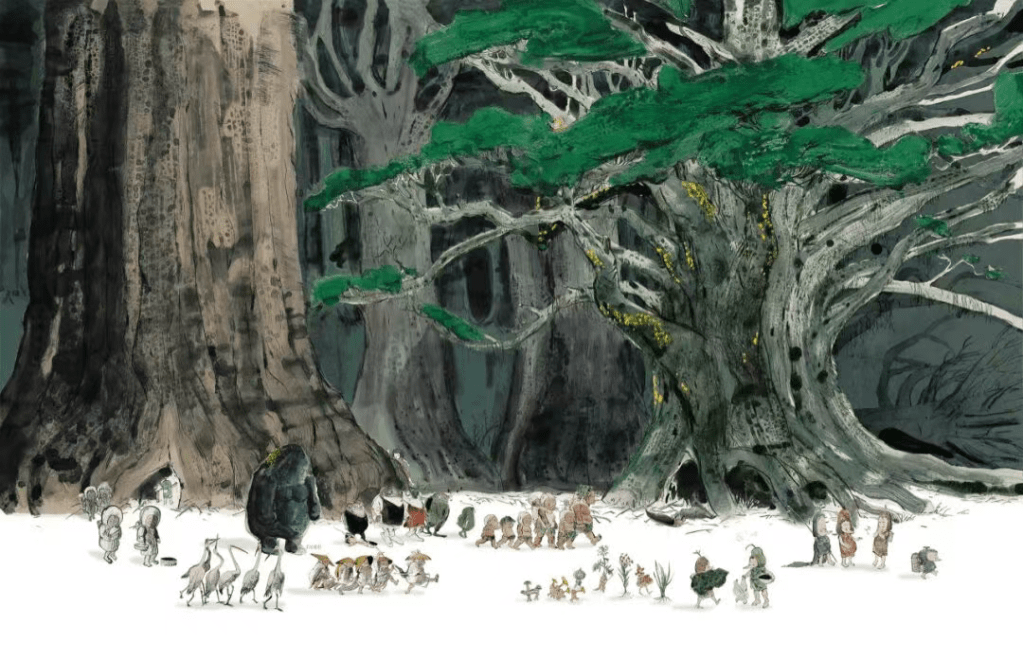
Xiong: are real situations, things that could truly happen. I need to feel the pain before I can write it. You must know the cause of something. You don’t make a book just for an idea, or for your art style, or even for your dream. You make books for children. You’ve got to love to do this—but that love shouldn’t show on the surface. You need to align with the child completely, not to express love. If you force emotion, it feels awkward; if you push values, readers will tune out. You must let go of your own ideas, experiences, artistic preferences, and emotional attachments to create sincerely.
I’ve made a little progress recently. Before, I used to think I was making books for children—to make a good book, a great story, one that got big reactions. Before, I wanted to create books for children that were “good” — good stories that earned artistic recognition. But now, I just want to explore topics that matter, not create for the sake of myself. But now, I know what I’m doing—it’s no longer for me. That feels better. It’s meaningful to me because it marks a beginning. I found a new meaning through story, which helped me develop and expand further.
Li: In finding that meaning, what do you care about most?
Xiong: What I truly care about are the people around us—our friends. So many suffer from emotional barriers or depression, standing at the edge of their own emotional cliffs, unable to communicate. That’s what concerns me.
Li: And how does that connect to children?
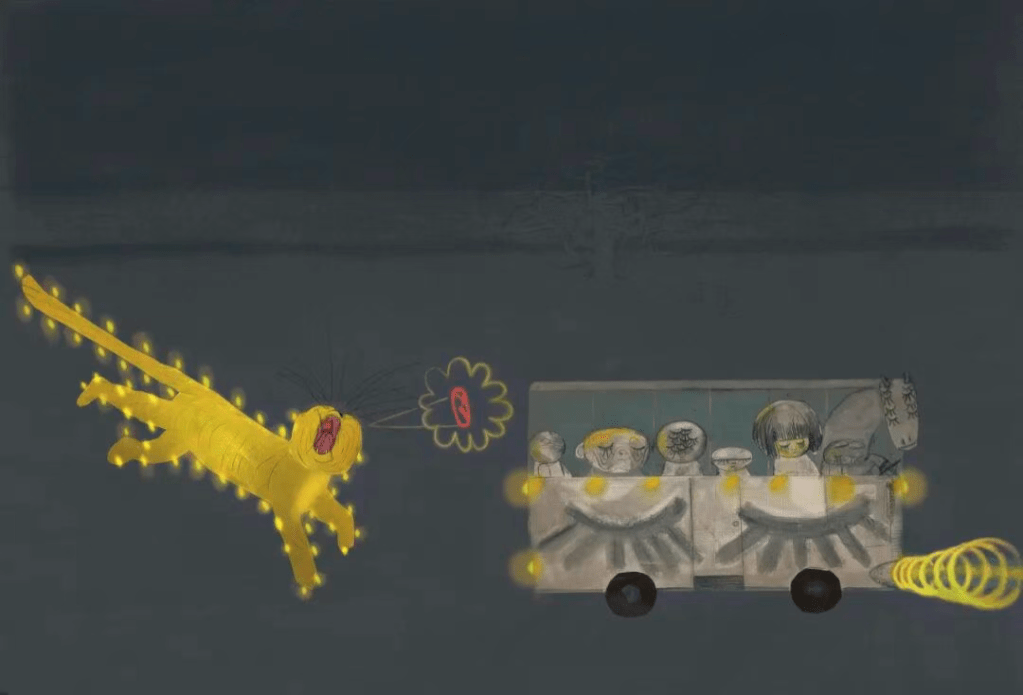
Xiong: These things all start in childhood. Childhood experiences shape everyone. I want readers to see new possibilities and change. I have plenty of good stories, but some I’ll have to discard. I want to create ones with true value—stories that can heal. Children today live in constant uncertainty, with anxiety and pressure.
Li: You love Sylvester and the Magic Pebble. How do you think the boundaries of childhood experience have changed between Sylvester’s time and today?
Xiong: I think they’re very different. In the past, a child’s world was bounded by home, courtyards, and familiar surroundings. Now, kids fly back and forth, call and video chat—their boundaries are defined by information. But information boundaries are messy, chaotic, and uneven.
Li: What about cognitive development?
Xiong: That hasn’t changed. The structure of pictures and text in picture books should match a child’s way of thinking. When making a book, you must understand the relationship between every page. A three-year-old can read it, a ten-year-old can read it, and adults too.
Boundaries or limits—those are the key points in storytelling. You must find something interesting within. Cognition should match children’s developmental patterns. For example, The Very Hungry Caterpillar represents the tactile phase boundary. The book must stay consistent—each page linked smoothly to the next. Overly complex structures are unnecessary. As you move deeper into the visual communication of a picture book, the images become clearer—but not simpler.
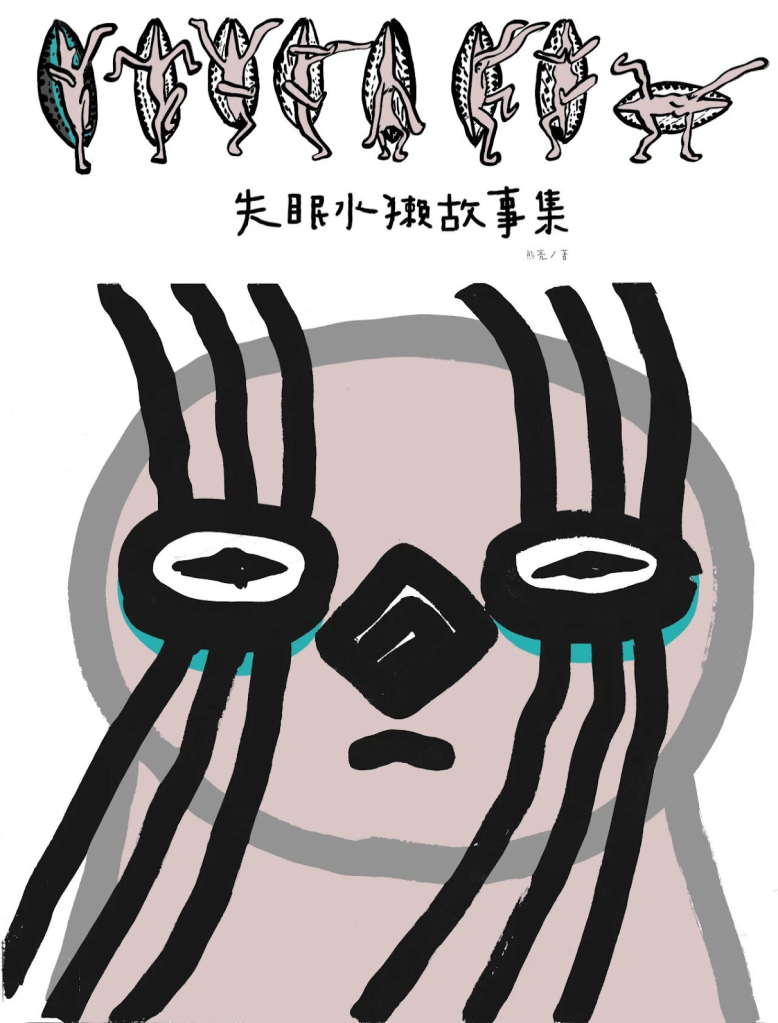
Li: We’ve recently worked on some translation projects together. What are your thoughts on language and translation?
Xiong: Each language has its own way of expression. Chinese vocabulary is incredibly rich—like you translated “woods,” “forest,” “grove”—each word describes a different nuance. Chinese is more delicate in describing daily life, while Western languages have more precise terms for abstract thought, with theoretical backing. They focus on different aspects.
The hardest part of translation isn’t language—it’s cultural references. For example, an English poem full of religious and literary allusions can’t be fully translated into another culture because it loses its shared symbolic meaning. Like “blessed” in Anne Sexton’s line: “Snow/blessed snow/comes out of the sky/like bleached flies.
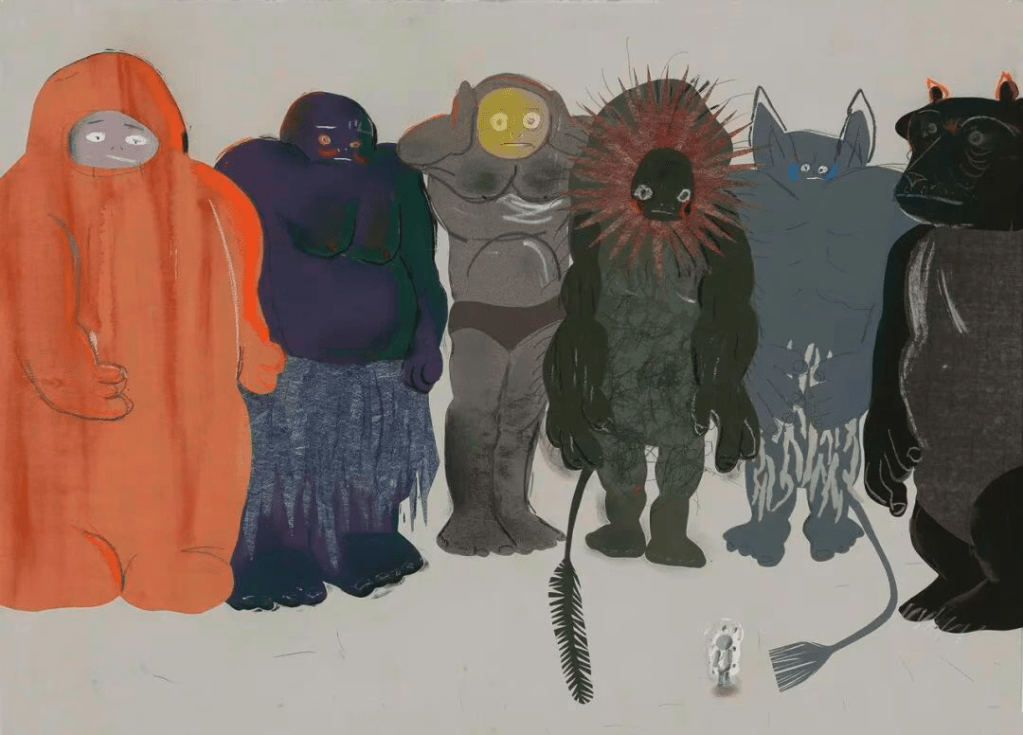
When I retell the Chinese folktale Zhong Kui Marries Off His Sister, Chinese audiences laugh, but in another culture, the humor wouldn’t land because of the cultural references behind it. I pay attention to these background differences in my writing.
Li: So now you’re “de-symbolizing.”
Xiong: Yes, I avoid using too many metaphors or traditional allusions. I also don’t rely on childhood memories from my own era—I let many of my personal memories go in my creative process and care more about topics from the present. To me, memories are for oneself; they’re not the main material of my creations. The meaning should be found in the present.
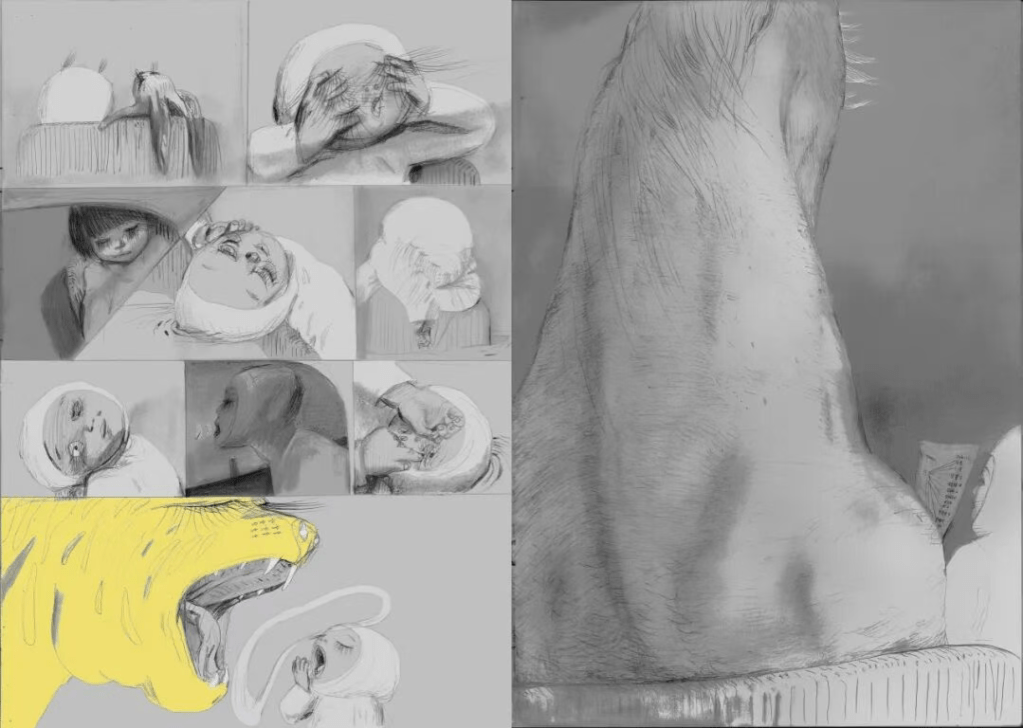
Li: You’re a fun person, and your stories shine with your unique sense of humor too.
Xiong: Humor is really about balance. A story should be light, fun, and engaging, with everything tightly connected. My goal is like an entertainer’s—not to show off how profound or skillful I am.
Li: But people do see that you’re skillful and profound.
Xiong: I used to want to focus on poetry, but one day I just couldn’t write any. So I started trying other things—short stories or just jotting stuff down. I liked that more, because poetry often needs you to maintain extreme states, like being wild or distant. Writing short stories or records, on the other hand, is humorous and relaxed—it’s a great way to break a fixed emotional state.
If you write or draw a lot, it’s easy to get stuck on your “personal style or artistic identity.” But humor keeps breaking that self. The more you write (humor), the looser your sense of self becomes, the less rigid you are. Humor in a story comes from all sorts of strange possibilities. What you originally take seriously as the way things are, the story shows you another way—and that feels funny. And kids get it.
Li: How would you describe yourself?
Xiong: I’m pretty lucky. As I keep working, I’m gradually finding my direction.
Since Hemingway, writers have explored the iceberg theory, minimalism, language writing—while people like Robert McKee, in Story, teach traditional structures. Neither fully satisfies me. I love the language of modern fiction, but it doesn’t always suit picture books. A picture book needs a full arc—a beginning and end that connect, with cause, effect, and wholeness. Modern fiction, however, can work without clear plot or closure. I have to find a balance between the two.
Traditional closed-loop novels reflect conventional personality and cultural values, while modernist novels feel lighter. “Light” here doesn’t associate with personality—it means linguistic freedom, flexibility, and nonlinearity. If I could tell a complete story with the language of modern fiction, that would be great.
Today’s children are “super light.” They can be “me” today and “not me” tomorrow, doing things without needing deep meaning. So using a modern-fiction approach fits their mindset—and our times. But picture books still need stories. The balance between the two—that’s what I’m exploring now. I’m combining them—telling complete stories that focus on narrative, experience, and phenomena, not results.
I work in picture books, fiction, and poetry. I understand both modern and traditional fiction, and screenwriting. Combining all that has given me my own creative techniques. Of course, these “techniques” aren’t necessarily useful—others may make books that are funnier or sell better—but it gives me my own path. That’s what sustains me.
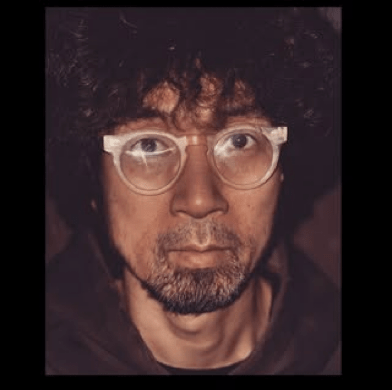
Xiong Liang is a Chinese writer and artist whose work spans picture books, graphic novels, short stories, poetry, and painting. His work has reached millions of readers and received numerous awards. He was nominated for the Astrid Lindgren Memorial Award in 2020 and 2023. In 2018, he was shortlisted for the Hans Christian Andersen Illustrator Award.
His book Take a Walk with the Wind won Chen Bochui International Children’s Literature Award. Its English version was recently released by Elsewhere.
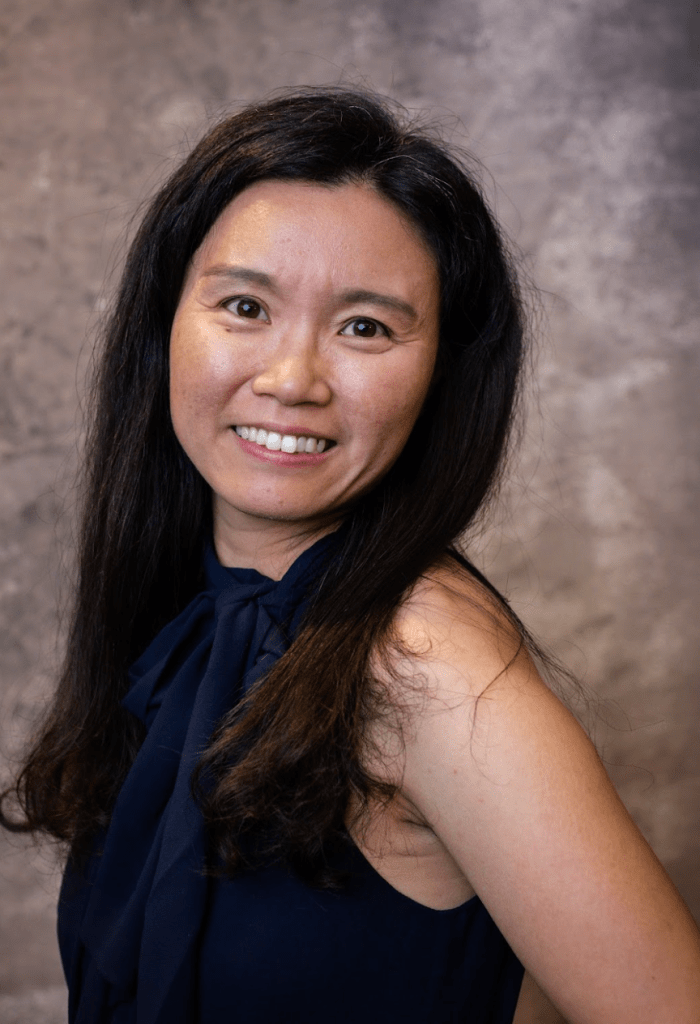
Wang Li is a children’s book writer and translator. She was a 2025 SCBWI Work In Progress Winner (Picture Book), 2025 Art Omi Translation Lab resident. She won the 2024 Pitch-Perfect Translation Grant, along with several other writing awards. Find her at her website, where you can take a peek at the stories she’s brewing up.

World Kid Lit is a nonprofit that aims to bring diverse, inclusive, global literature into the hands and onto the bookshelves of young people. We rely on grants and donations to support our work. If you can, please support us at Ko-fi. Thanks!
We earn a small commission every time you buy books via the affiliate links on our site, or via our booklists at UK Bookshop.org. This is a much appreciated donation towards our work. Thank you!
 World Kid Lit