Sigfríður S. Sólsker, Managing Director of Bókadeild Føroya Lærarafelags (BFL), the Faroe Islands’ main publisher of children’s and youth literature, shares insights into children’s publishing in the Faroe Islands, contemporary trends, and Faroese kid lit that has reached English-speaking audiences.
By Katy Dycus
Katy Dycus: Bókadeild Føroya Lærarafelags (BFL), or the “Faroese Teachers’ Association’s Publishing Company,” started in 1956. How would you describe BFL?
Sigfríður Sólsker: We at Bókadeild Føroya Lærarafelags are the only publishing house in the Faroe Islands that specializes in the publication of children’s and young adult literature. Our mission is to promote reading among children and young people by providing high‑quality literature in Faroese – literature that reflects our culture, our language, and our values.
KD: What trends are you witnessing in Faroese kid lit?
SS: Trends in the Faroe Islands generally follow Nordic and international developments. For example, there’s a growing demand for stories that reflect different family structures, gender identities, and cultural backgrounds. Also, many new titles address sustainability, nature, and climate issues, reflecting the engagement of children and young people in these topics.
In the Faroe Islands, we see the integration of old Faroese legends and folktales into new narratives. This strengthens cultural identity and gives children and young people a grounding in the Faroese storytelling tradition, while also creating a bridge between the traditional and the modern.
I don’t know how much you know about the Faroe Islands, but we are part of the Danish kingdom. When I grew up in the ‘80s and ‘90s, we had a lot of Faroese children’s books, but when the publishing company was started in the ‘50s, almost everything was in Danish. There weren’t any Faroese books. But then people started to read in Faroese, not only in Danish. At the start, BFL had had a lot to do with the evolution of our language and getting people to read in our language. It was a part of nation building.
Nowadays, of course, it is not so much about fighting against Danish as much as telling a good story. Of course, now, it is more English we are seeing than Danish, not just in books, but social media, video games, etc. None of it is in Faroese. The young people of today don’t even bother with Danish. Everything is in English, and it affects the Faroese language a lot.
KD: Has BFL encountered any challenges in the Faroese children’s book market?
SS: One of the biggest challenges is the limited market resulting from the small population of the Faroe Islands. This makes it difficult to achieve economic sustainability when publishing children’s and young adult books, especially if they are richly illustrated or printed in color. In addition, competition from digital media and social platforms is strong, making it harder to capture the attention of children and young people with traditional books.
Another challenge is the lack of locally produced content that reflects Faroese culture, language, and identity. There is a need for more stories that children and young people can identify with, while at the same time, it is costly to develop such works without support from the state or cultural funds.
We also see a clear decline in reading among young people — especially among boys — who read less than before and less than their peers in the other Nordic countries. This makes it even more important to create engaging and accessible literature that can spark an interest in reading and strengthen reading habits from an early age.
KD: How have English-speaking audiences received your Faroese books? Are many of BFL’s books published bilingually in Faroese and English, or have many of them been translated into English?
SS: We publish around 70 to 80 titles a year, and about 10 of them are Faroese from Faroese authors, so we translate a lot. Many of our books are translated from the other Scandinavian countries. Almost all of our books are only in Faroese. There have been some books in English about puffins that have been very popular (like this one by Jenny Kjærbo and translated into English by Jordan Kutzik), but I think you can name them on one hand. So, our books are almost always only Faroese, and then if they’re translated, then only in English.
We sell the rights to US publishers, and they publish the English translation of our books, but of course, if other publishers are interested in our books, then they can publish them or translate them. We also send some of our books to publishers for “trial translations,” so when we go to the Frankfurt book fair, for example, we can present our books in other languages and others can read them just like with your readers.
KD: I know Bárður Oskarsson is a Faroese author that BFL publishes who has reached English-speaking audiences. I see that the English edition of his new book Bob & Hilbert (translated by Marita Thomsen) will be published in October by Archipelago Books.
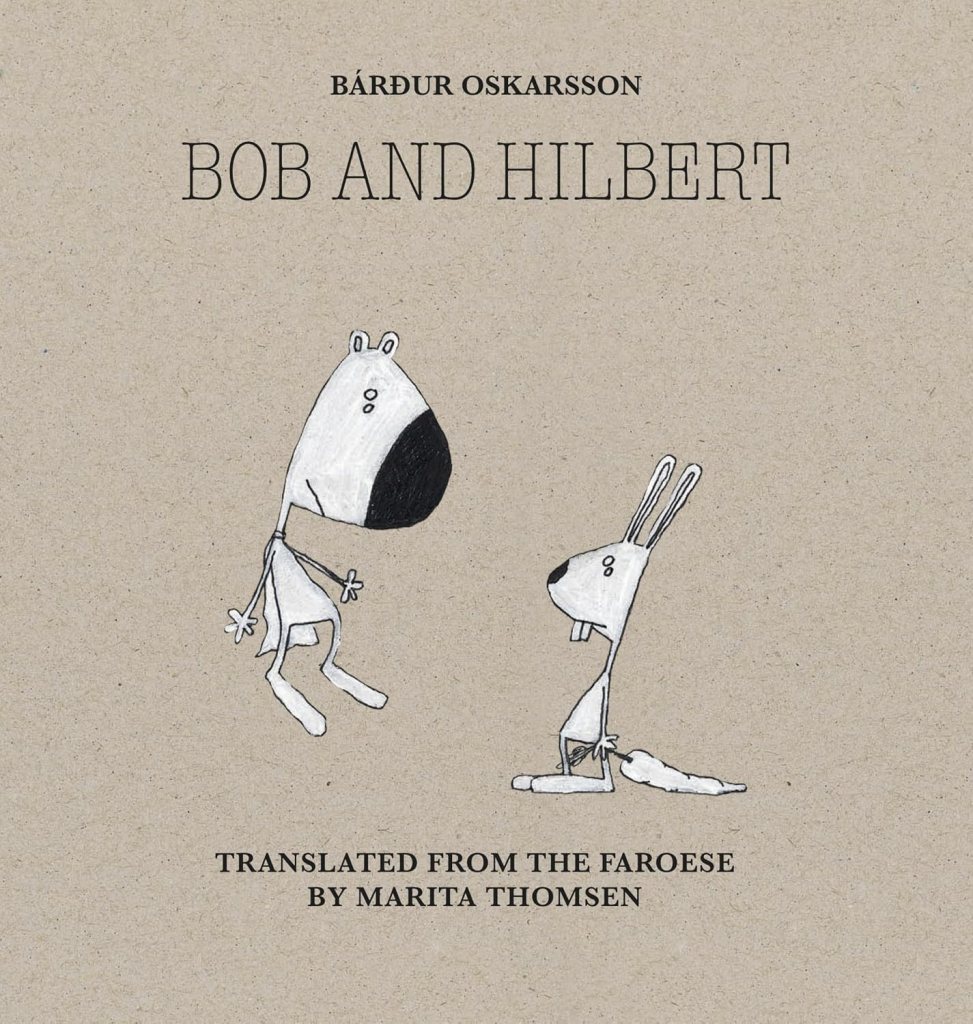
SS: Bárður Oskarsson is our biggest writer. He has won several prizes for his books. He may be the easiest to sell. I have been working for BFL for a short time, but we always participate in the Frankfurt am Main and Bologna book fairs. We go there to buy rights, but also to find books to translate into Faroese, and we always try to showcase the work of Faroese authors and illustrators. When you are sold into a few countries, like Oskarsson, then it’s easier to get to the next one, because when you have a name, you’re easier to sell.
In the Faroe Islands we also have Far Lit, a resource that provides government funding for translations. It promotes Faroese literature in the international book market. Even foreign publishers of Faroese books can apply to FarLit for translations grants.
KD: Could you tell me what makes Faroese children’s books distinct?
SS: At this moment it is the retelling of old folklore or reusing it in a way. Taking something of the Faroese culture and history and mixing it with modern times.
But it is difficult to say what is distinctly Faroese because we have very few professional writers, neither our authors nor our illustrators are professionals. And it’s very seldom that we get someone that both writes and illustrates.
Bárður Oskarsson has a very minimalistic style, both in his words and drawings. But he’s the only one with that style in the Faroe Islands. So, I wouldn’t say that that is the Faroese way. I would more say that he is very international in his style of writing.
KD: And why do you think that Bárður Oskarsson’s books have such international appeal? I’ve noticed that in his books, animals are as imperfect as we humans. Archipelago’s description of Bob & Hilbert, “Flip the book one way and Bob loses his carrot on the bus and Hilbert can’t fly, but they give each other a little help to make things right. Flip the book the other way, and Hilbert and Bob are each able to give up a little freedom in order to fulfill their dreams,” presents such a unique concept – to give readers two perspectives at once!
SS: Oskarsson’s topics are very universal and his books have a uniquely minimalistic style. Everyone can relate to his message, they touch everyone. Oskarsson even writes about death, which often is a no-go in children’s books, but somehow he reaches readers with this fun style of text and image, and in a philosophical way. There are so many layers that grown-ups also like his books. I think maybe more grown-ups than children.
More Faroese children’s literature here at World Kid Lit
- Humanity Illustrated from a Scandinavian Perspective
- Breaking the Taboo: Books about Death
- Trees from Around the World
About Sigfríður Sólsker
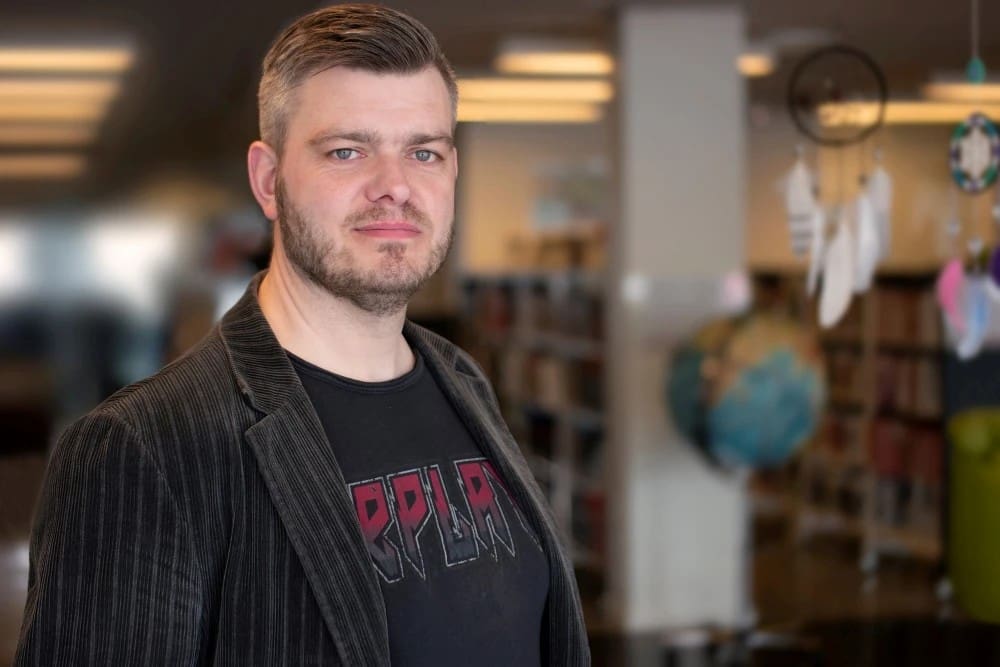
Sigfríður Sólsker works as managing director of Bókadeild Føroya Lærarafelags, the Faroe Islands’ premier publisher of children’s and young adult literature.
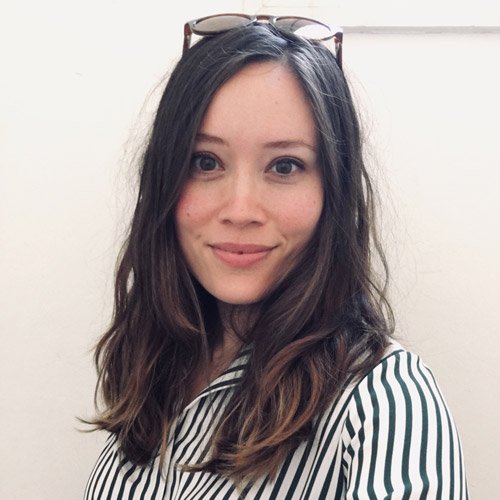
Katy Dycus serves as co-editor of the World Kid Lit blog. Apart from global children’s literature, Katy has reviewed adult poetry and fiction in translation for Harvard Review, Words Without Borders, and Necessary Fiction.

World Kid Lit is a nonprofit that aims to bring diverse, inclusive, global literature into the hands and onto the bookshelves of young people. We rely on grants and donations to support our work. If you can, please support us at Ko-fi. Thanks!
We earn a small commission every time you buy books via the affiliate links on our site, or via our booklists at UK Bookshop.org. This is a much appreciated donation towards our work. Thank you!

