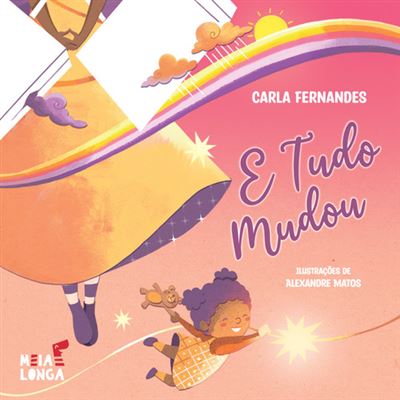
Looking for children’s books from Angola or Portugal? You’re in the right place! Today, Portuguese children’s author and translator Cláudia Gomes Oliveira interviews Carla Fernandes, an Angolan writer in Portugal, translator, communicator, and host of Afrolis Podcast. Carla is the author of Portuguese children’s books Uma Visita Inesperada (An Unexpected Visitor) and E Tudo Mudou (And Everything Changed), which still await translation into English.
Cláudia Gomes Oliveira: We first met each other through poetry and discovered that we both love children’s literature. How would you describe literature for young people in Portugal?
Carla Fernandes: Portugal demonstrates a love for young people’s literature. We have wonderful books and authors that ignite children’s imagination. There are also numerous projects and initiatives that aim to spark children’s interest in books and encourage families to engage in literary activities with their young ones.
CGO: You are also a journalist and a cultural producer. What led you to pursue children’s literature as a writer?
CF: Journalism and cultural production are professional activities that are outward-oriented. After having children, I was more drawn to inward-oriented activities. I love words and have always worked with them and it was a very organic transition. Writing words with children as the recipients in mind is an invitation to revisit worlds where everything is possible. Worlds well known to us when we were their age. It helps me to make sense of almost everything and I hope it helps children to have their own imagination validated.
CGO: What are your thoughts on representation and inclusion in children’s literature? And how can this situation be changed and improved?
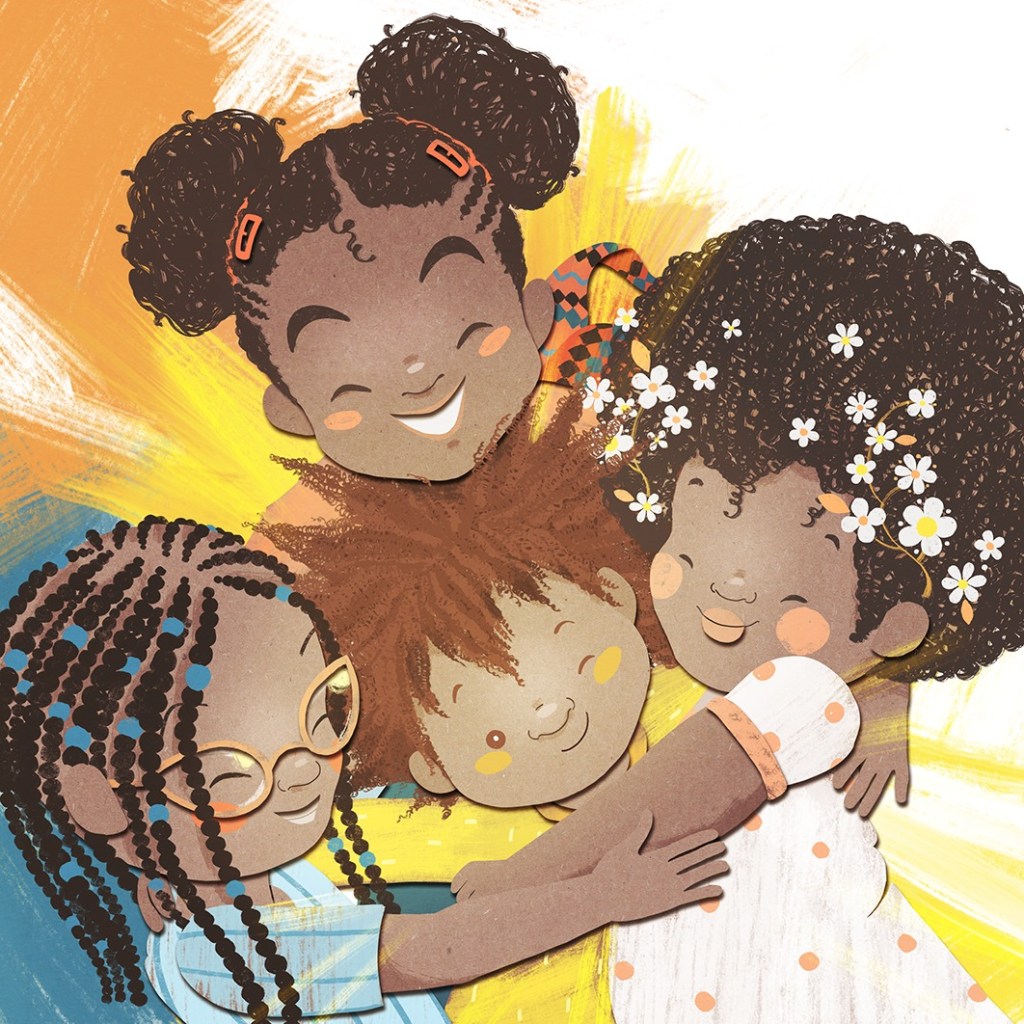
CF: Representation played a tremendous part in my writing in my first book, Uma Visita Inesperada (An Unexpected Visitor). Being a black mother and author, I wanted to tackle representation in my work and make sure my children would feel represented in the book. I worked with representation from a perception angle. I did not make the colour of the skin or hair or facial features the centre because sometimes it triggers violent experiences. I tell a story where all characters are little black children with different features who represent different emotions. My goal was to create a story where black children can see multiple possibilities of experiencing the world and where the world experiences them in the same way. Now there is no urgency anymore. I see representation as a holistic intervention where the author ensures the work reflects desired values. Publishers, libraries, and schools, for instance, play an essential part in promoting and investing in these works and authors.
CGO: What were your literary (and artistic) influences when you were a child and, later on, after you became a mother?
CF: As a child I did not have all that many literary influences. I basically read what I had to for school. I never had an interest in children’s books. I have always been a poetry person. Some examples are Clarice Lispector, Maya Angelou or Florbela Espanca. Probably because of their perspectives on womanhood, and also the black experience in Maya Angelou’s case. But I would not call them influences. I feel close to their worlds. The children’s book adventure really started with motherhood. I like stories that move me, comfort me or give me a sense of belonging, of feeling home. I can’t really talk in terms of influences.
CGO: School and local libraries play a vital role in promoting children’s and young people’s books. In what other ways can we reach more children and families, regarding children’s literature?
CF: I believe it is already being done, and your project Trevo Trevo is a great example. But perhaps we should invest in quality online literary projects, because we are increasingly engaged with online cultural products.
CGO: Which Portuguese children’s books would you recommend?
CF: Right now, or rather for the last two years, I have been reading almost every night, as a bedtime story, Por Que não Dormem os Gatos? (Why Don’t Cats Sleep?) by Fernanda Freitas. It is a bedtime story but, at the same time, it is an opportunity to reflect on the activities children did during the day. It poses questions as to the reasons they resist going to bed. It fosters a conversation between parents and children about their days. My children often talk about their school day during the reading, or find themselves arguing that they don’t need to sleep only to fall asleep while doing it. It’s great fun!
CGO: Children’s books are one of the most powerful agents of change. Given the world we live in today, what role can children’s literature play in building a more harmonious future?
CF: I believe children’s literature plays a fundamental role in building more balanced societies. It is an instrument that can expand educational frameworks and help nurture future adults that will contribute to our prosperity in a fruitful way.
CGO: Do you have any upcoming projects or ideas for young readers?
CF: Yes, I am currently working on a new children’s book which always brings me great joy.
CGO: Thank you, Clara!
***
This interview was conducted in Portuguese and translated into English by Cláudia Oliveira.
About Carla and Cláudia
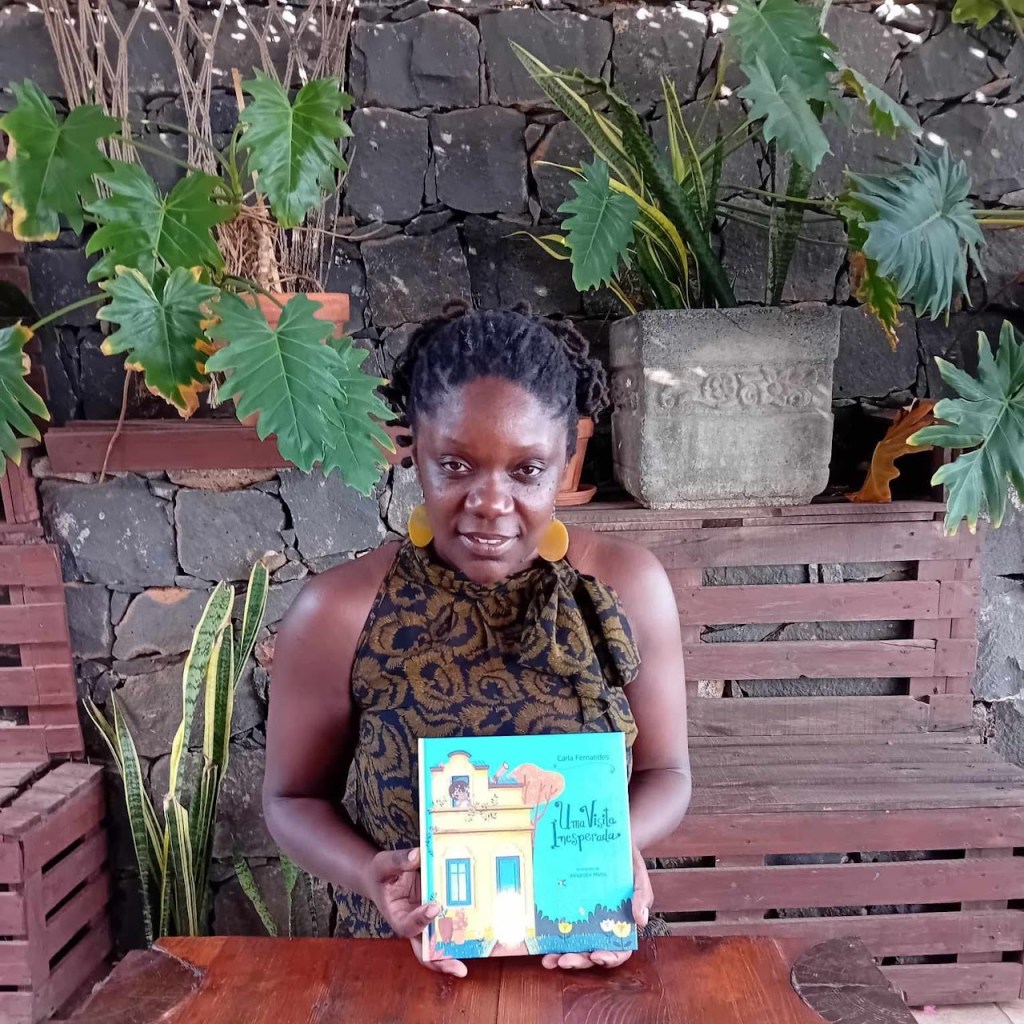
Carla Fernandes is a communicator, a writer and a speaker. She launched the first podcast dedicated to people of African descent in Portugal (2014), Radio Afrolis, which won an award from the Google News Initiative in 2022. She is the author of Being a Black Woman in Lisbon talk (TEDx Lisbon 2015), and the organiser and co-author of poetry anthology Djidiu: The Legacy of the Ear – Twelve Ways, Plus One, to Speak of the Black Experience in Lisbon (2018). She directed the documentary We Did Not Come from the Void (2024), and in 2026 published the poetry collection The Womb. She also hosts the Afrolis: Communicating with Purpose podcast.
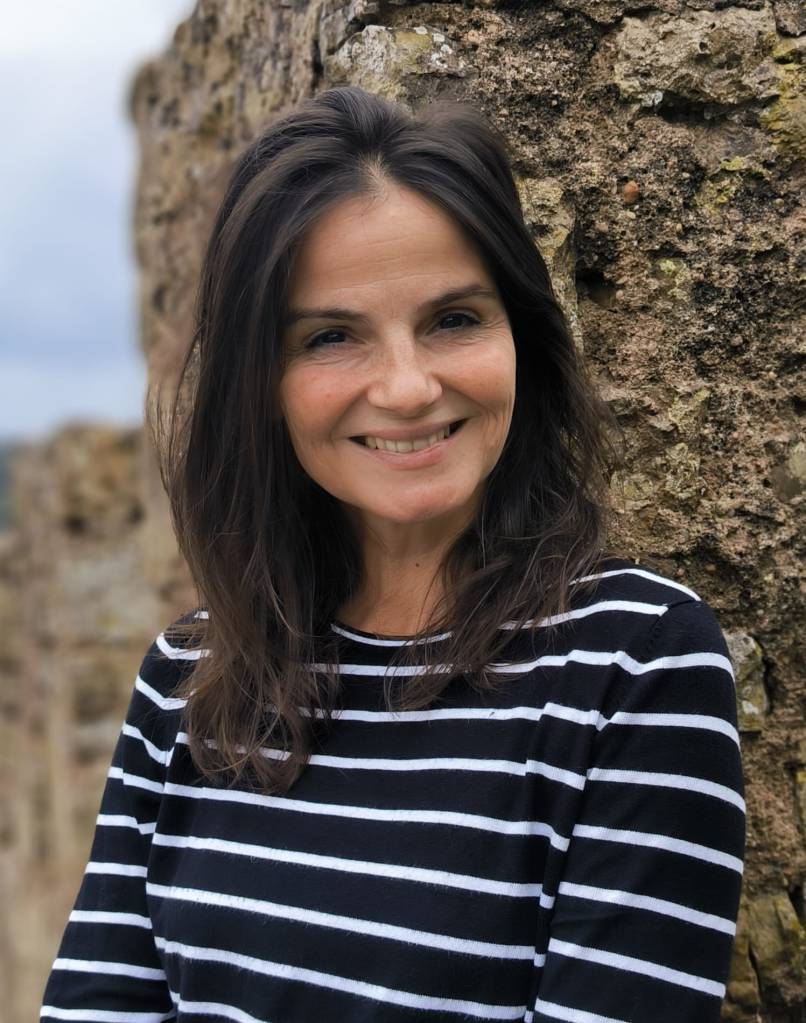
Cláudia Oliveira is an author, a language consultant, and a narrator. She is passionate about words, both written and spoken. She has created Trevo Trevo, a digital listening platform featuring children’s stories in verse and prose, designed to encourage active listening and imagination, raise awareness about nature conservation, and promote Portuguese language and literacy among children and families. She translates from English and Spanish into European Portuguese, mostly books (fiction and non-fiction), but also for museums and educational institutions, and she has been working on the Portuguese art scene since 2000, namely in theatre and film.
Support World Kid Lit!

World Kid Lit is a nonprofit that aims to bring diverse, inclusive, global literature into the hands and onto the bookshelves of young people. We rely on grants and donations to support our work. If you can, please support us at Ko-fi. Thanks!

We earn a small commission every time you buy books via the affiliate links on our site, or via our booklists at UK Bookshop.org. This is a much appreciated donation towards our work. Thank you!

